Table Of Content
Once dehydrated, you can further scrunch your rings to release any stiffness from the styling products. Establishing a curly hair routine for frizzy hair ensures your curls receive the nourishment they deserve. Create a schedule for washing, conditioning, and styling your hair.
Grab a Headband
It’s necessary that you ‘scrunch the crunch’ to prevent making it weigh your curls down or worse, somehow ending up depositing at your roots. My product shelf is loaded with hairstyling products, such as shampoos, deep conditioners, styling creams, leave-in conditioners, gels, mousses—you name it. I used to feel bad about it and often wondered if I needed all these products in my regimen. Well, according to experts, using multiple hair products could be very beneficial to a great hair day.
Why is the use of gel important when it comes to styling?
The Simple 3-Step Wash Day Routine That's Helping Me Reach My Natural Hair Goals - xoNecole
The Simple 3-Step Wash Day Routine That's Helping Me Reach My Natural Hair Goals.
Posted: Tue, 21 Feb 2023 08:00:00 GMT [source]
I saved this one for the last for the curlies who prefer to wash before bedtime. In that case, using a silk bonnet or scarf at bedtime prevents strands from drying out and preserves styling. Unlike most of the rumors floating around the internet, this one does have an element of truth behind it. Noticing these changes and responding appropriately can keep your hair looking healthy. When it comes to the frequency of use with products, it’s best to consult a professional.
Don't weigh curls down with too much (or too heavy) product.
Deep-conditioning makes a huge difference in curl health and hydration! I make it a point to deep-condition every wash day, which results in softer, less frizzy, more manageable curls. If your curls differ from one area to the next, treating them as you see fit and using different products in different areas is fine.
If you're someone with curly hair or someone who takes care of people with curly hair, hopefully these tips will come in handy. I love this stuff because it's really hydrating and gets really soapy, which I love. I also detangle during this step because I use K18, which isn't like your normal conditioner. This shampoo is hydrating enough to detangle my curls without ripping them. I use Tangleteezer's The Ultimate Detangler and work in sections.
If I don't have time, I will diffuse my curls with the Dyson Supersonic and diffuser attachment. Plopping has long been a go-to trick for curly hair types and it’s a must-have for your routine. Once you’ve finished your shower routine and applied your styling products, ‘plop’ your hair on the top of your head and wrap it in a t-shirt or microfibre towel to dry. Understanding your hair type is the first crucial step in creating a successful curly hair care routine. Curly hair comes in various textures and patterns, ranging from loose waves to tight coils. Knowing your specific hair type will guide you in selecting the most suitable products and techniques for your unique curls.
Wear hair in protective styles
If there’s another dude in your crew with curly locks, you might assume you can replicate their hair care routine to achieve the same look. But if they have a different curl type than you, what works for them might not work for you. If your goal is to see results, it’s time to kiss your hot tools goodbye. The only exception here is using a diffuser on low heat to dry your hair. One effective method I’ve found is the curly girl method (CGM), recognized widely across the community of folks with textured spirals as a true haircare game-changer. And because we're not in the business of gatekeeping at ELLE.com, we’ve provided a thorough guide to the curly girl method and the most effective products to make your curly dreams come true.
What additional ways can you define your curls during the styling process aside from scrunching?
Then scrunch or use the finger curl method to enhance the look of your curls. "Keep in mind scrunching activates and enhances curls, while finger coiling elongates them," says Sanders. "Higher porosities struggle with retaining moisture because the flaps of the hair cuticle stay open," explains Sanders. High porosity hair requires heavier products like creams and gels to lock in that moisture once it's absorbed.
If you have wavy hair or a looser curl pattern, slather on a rich formula like Fructis Curl Nourish Conditioner. Apply from root to tip, cover with a warm towel or shower cap, and leave on for at least 20 minutes before rinsing well. Before you can even venture down the path of proper curly hair care, you need to know what type of curls you have. If the curls are tighter than a wave but not like a coily corkscrew, they’re type 3; supertight, short curls are type 4.
"It's essential to reset the scalp frequently to prevent these scalp complications," she says. From hacks every curl pattern can do to specific styling advice for your hair type, keep reading for how to take care of curls, straight from curly hair specialists. Sometimes (ok, a lot of times), it can feel like our curly hair has a personality of its own. One day we've got bouncy, defined curls, and the next, a shapeless mass of frizz and flyaways. As a result, there are certain guidelines to follow to bring out the best of your curls. As you progress on your curly hair care journey, remember that perfection isn't the goal.
As you embark on your curly hair journey, remember that your natural curls are a beautiful expression of your individuality. Embrace and celebrate them, for they are a unique part of who you are. Embracing your curls means embracing yourself, and with each step of this curly hair routine, you're nourishing and cherishing your locks. Once you have applied your leave-in conditioner and styling products, allow your hair to dry naturally. To prevent disrupting the curl pattern, refrain from touching your hair excessively while it dries.
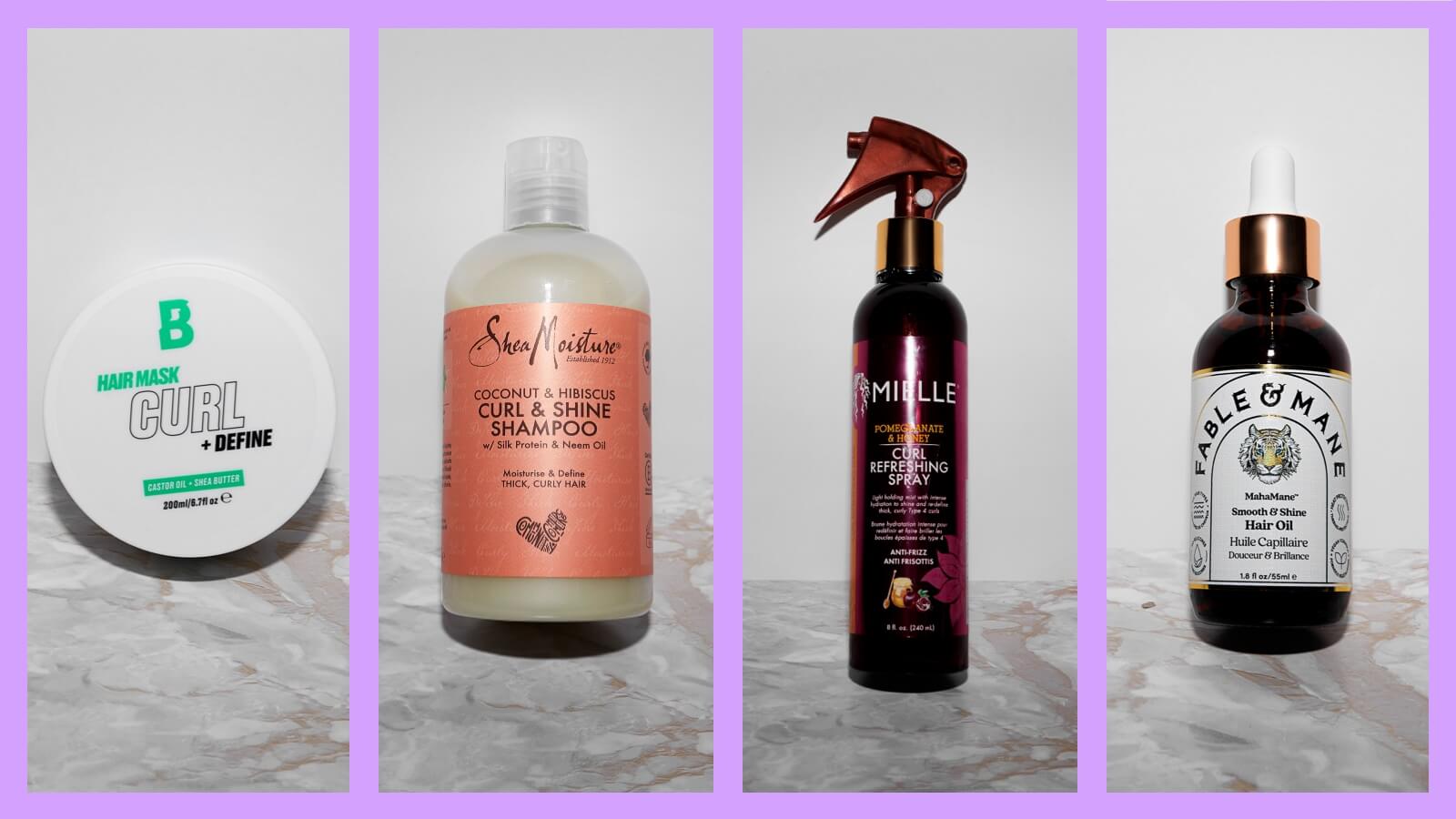
"If you think your curls are too tight, go up one size to stretch." If you want tighter curls, choose a smaller-sized barrel. Super Moisture Conditioner is my go-to conditioner; and Bread Beauty Supply Hair Mask Creamy Deep Conditioner. These symptoms could indicate underlying conditions or the need to adjust your care regimen. Consult a dermatologist or trichologist if you encounter persistent problems to prevent further damage and ensure the continued health of your hair and scalp. Oils, such as argan or jojoba, provide deeper nourishment and can be applied to damp or dry hair to seal in moisture and add shine.
Embrace the beauty of your natural curls by reducing harsh straighteners or curling irons, opting instead for the lowest effective heat setting. Leave-in conditioners deliver lasting hydration and should be applied to wet hair, focusing on the most parched areas. End each clarifying washing session with a deep conditioner to restore moisture and enhance the vitality of your tresses. Using a quarter-sized amount per section, thoroughly coat mid-lengths to ends, leaving roots alone to avoid limp curls.
These natural remedies can complement commercial products and add an extra level of care to your routine. Regularly assess your curls to monitor their condition and adapt your care practices accordingly. Note changes in texture, moisture level, or overall appearance. Tailoring your routine to meet your hair’s evolving needs ensures vitality and beauty, allowing you to enjoy lush, healthy curls. Hard water can leave mineral deposits on the hair, leading to dryness.